Explorar las categorías
Español
$
USD
Conecta tu IA a Fiverr
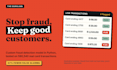
Fraud losses hurt, but so do false alarms that block good customers. I build a fraud detection machine learning model in Python that catches more fraud and flags fewer real customers.
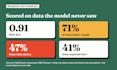
I am Huzaifa from The Burujan, a NOC engineer who builds data science projects. My credit card fraud detection project uses 590,540 real card transactions where only 3.5% are fraud. On a later test set the model never saw, it reached 0.91 ROC AUC, caught 71% of fraud dollars, and cut false alarms by 47% compared with a standard model at the same fraud dollar capture.
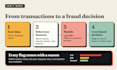
What you get: data cleaning, behaviour features such as spend history and velocity, class imbalance handling, tuned LightGBM and XGBoost models, a decision threshold based on your cost of fraud versus a false alarm, SHAP explanations so analysts see why each transaction was flagged, and a report with a Jupyter notebook. Premium adds a scoring API, monitoring plan and retraining guide.
I split data by time, not randomly, so results are honest. No model can promise zero fraud, and results depend on your data. Message me before ordering with a short description of your data and I will tell you if it fits.
Lenguaje de programación:
Python
•
SQL
Marcos:
Scikit-learn
Herramientas:
Jupyter Notebook
•
Colab
What data do I need to provide?
A table of past transactions with a fraud label (0 or 1), as a CSV or database export. Several months of history with timestamps and amounts works best. Card, device and email fields help, but are optional.
Does the model really cut false alarms?
On my project it cut false alarms by 47% versus a standard model at the same fraud dollar capture, on a later test set. Results depend on your data, so I report the same measures on your own held out data.
Can you deploy it as an API?
Yes. The Premium package includes a scoring API with handover notes. I work in Python with LightGBM, XGBoost and scikit-learn, and can fit your stack if you tell me what you use.


