Explorar las categorías
Explora
Fiverr Pro
Español
$
USD
WordPress Speed Optimization, Advanced Schema Markup and Technical SEO
Message me your page URL for a free quick check Ill tell you which schema fits best and how much time it'll take.
(Saves time and prevents wrong orders.)
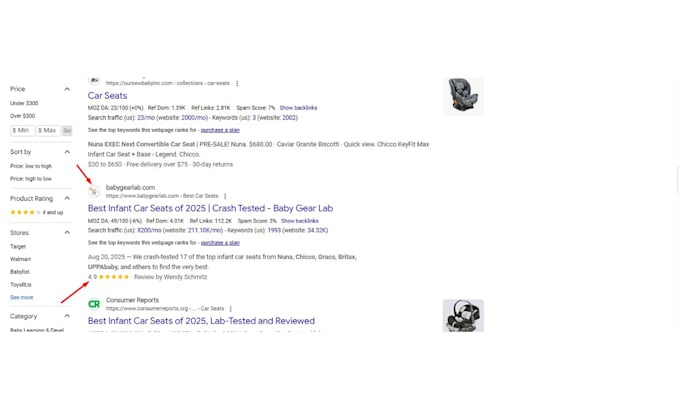
Ever noticed competitors showing FAQs, star ratings or review snippets on Google while your pages dont? Thats Schema (Structured Data). Without schema, your pages miss out on those eye-catching results that drive clicks. Schema helps you stand out on SERP. Proper JSON-LD schema makes your pages eligible for rich results increasing CTR, reducing bounce, and improving visibility in featured snippets, PAA and voice/AI search.
What I do (manual & safe):
100% hand-written JSON-LD (no plugins, no licenses, no conflicts)
Safe implementation (theme/header, child theme, or code file)
Full validation with Google Rich Results Test + Search Console guidance
Deliverables: implemented code OR code file, validation screenshots, short indexing/submit steps, 7 days post-delivery support
Common schema types I implement:
Why choose me:
Clean, conflict-free code tested before delivery
100% satisfaction guaranteed before delivery


Idioma:
Inglés
•
Francés
•
Alemán
•
Hindi
Los servicios SEO solo ofrecen implementar prácticas de SEO, lo cual puede tardar semanas o meses antes de que comiencen a verse los resultados.
Will you provide proof of the work done?
Yes, absolutely. I’ll share screenshots, SEO tool reports, and even live URLs of implemented schema so you can verify everything yourself.
How can I verify if schema markup is properly installed?
Once the schema is implemented, you can test it using Google’s Rich Results Test or the Schema Markup Validator. Just enter your webpage URL, and these tools will show whether your structured data is correctly detected.
Will Schema Markup improve my website’s Google ranking?
While schema isn’t a direct ranking factor, it makes your listings more appealing with rich results like FAQs, ratings, and reviews which can significantly increase your CTR (Click-Through Rate) and indirectly boost your rankings.
What exactly is Schema Markup or Structured Data?
Schema markup (also known as structured data or rich snippets) is a JSON-LD code added to your website. It helps Google better understand your page content and display enhanced search results like ratings, FAQs, and reviews.
Is it important to have rich snippets on my website?
Yes! Google highly recommends using rich snippets since they improve how your content appears in both voice and text search results. Structured data helps Google show your content to the most relevant users.
Does schema markup help local businesses?
Yes! Schema can include your Google Business Profile details such as address, phone number, and service areas improving your local SEO visibility and helping customers find you easily.
What is the purpose of using schema markup on a website?
Schema markup is a structured format (JSON-LD) that allows search engines to better understand your website. It’s a bridge between your content and Google, helping it display enhanced results such as reviews, FAQs, and product details.
Does schema markup support multiple business locations?
Yes. Schema can include details for all your business locations, ensuring each branch or service area appears accurately in local search results and maps.
Can schema markup increase my website’s CTR?
Yes, it can! By making your listings more detailed and visually appealing (through reviews, FAQs, and ratings), schema markup often leads to a higher click-through rate from Google search results.
When will star ratings appear on my website’s search results?
Google displays star ratings once it detects valid review schema and finds your site trustworthy and active. The appearance depends on your website’s performance, content quality, and indexing frequency.